Click on the “play” button to hear the diary episode read aloud, and click on the [anno]green tab[/anno] to learn more about a word or phrase.
Find Du Vernet on a map.

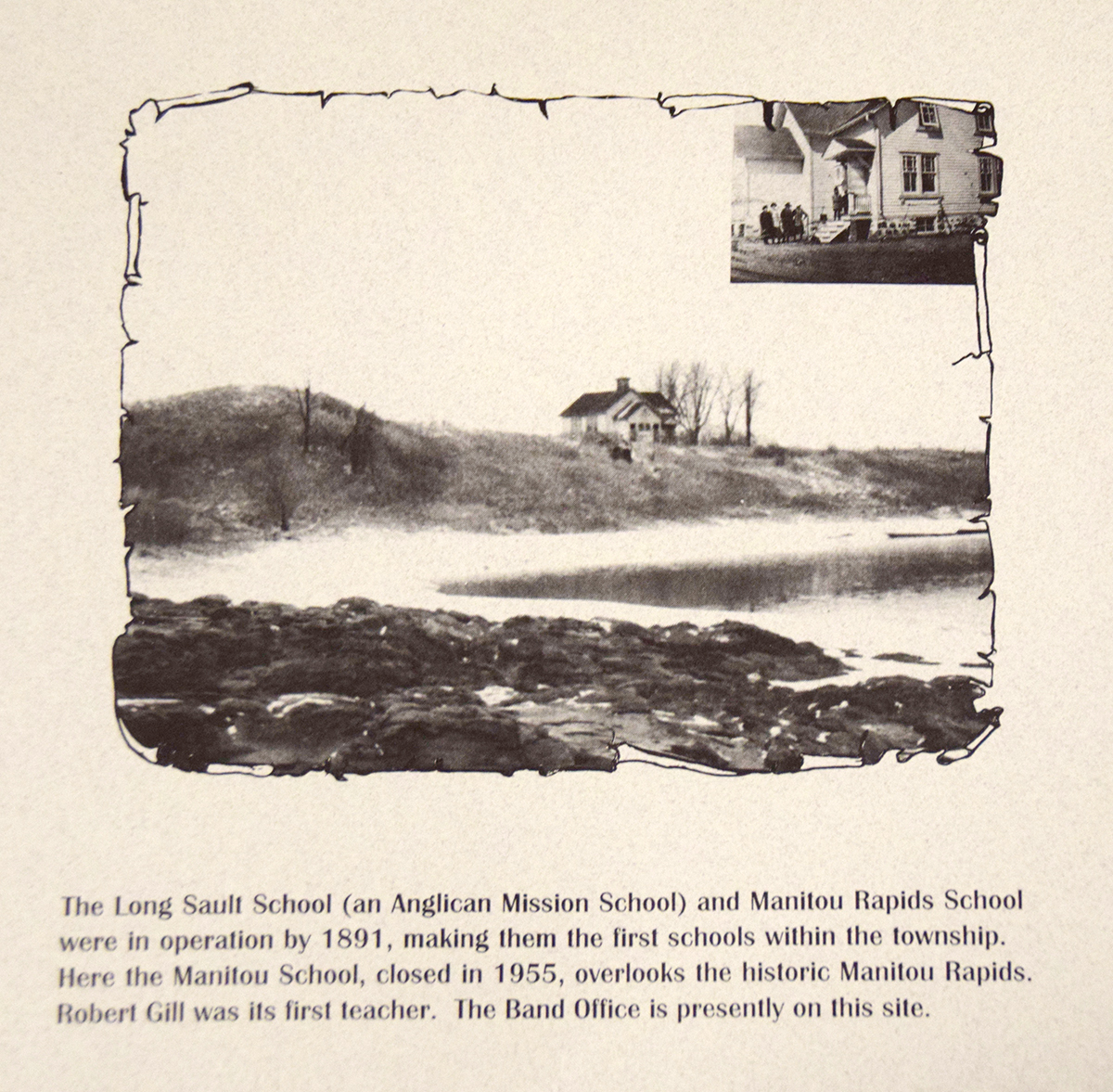
We had come 28 miles and had still seven to go, as well as the [anno]Long Sault{note}The Long Sault Rapids make up, in Du Vernet’s own words, a very thrilling portion of the Rainy River. The rapids have been important to Indigenous peoples for centuries. Since the rapids never freeze, the Ojibwe and their ancestors were able to fish in this spot all year round. Read more.
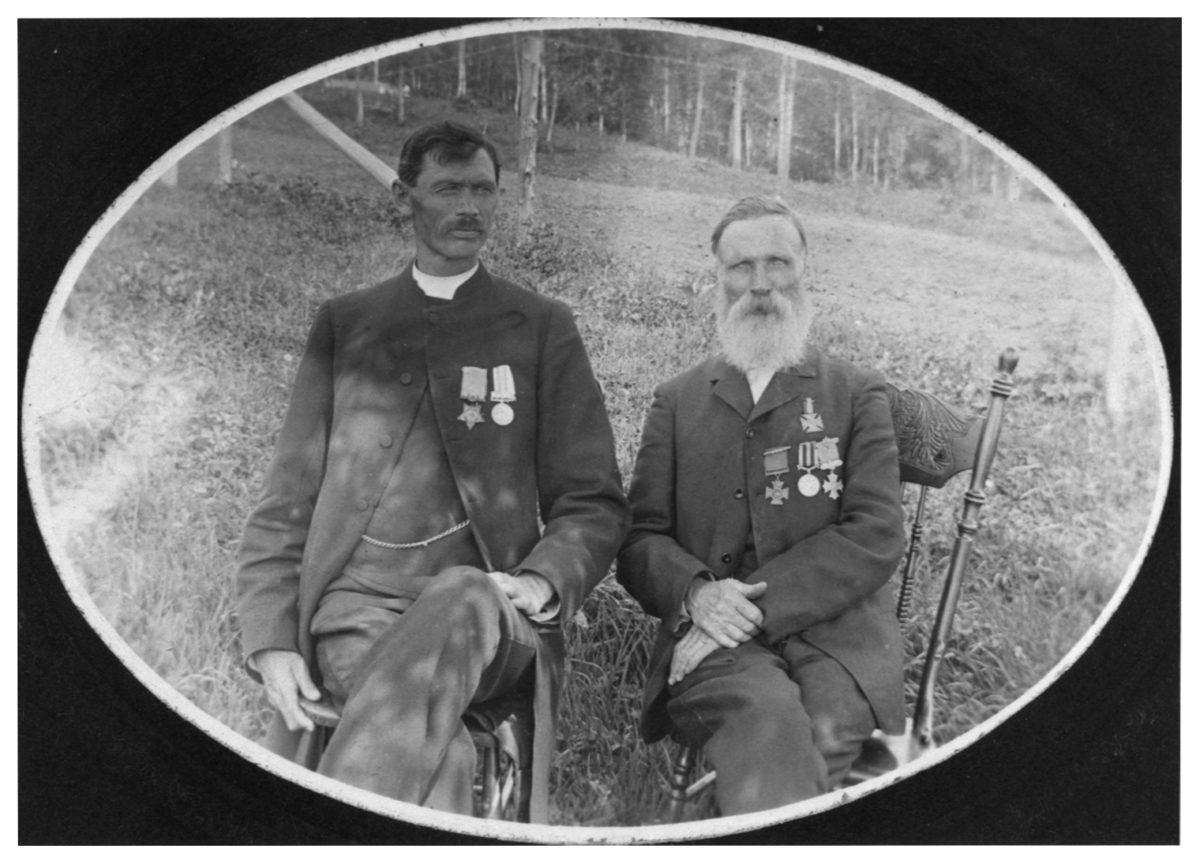
[/anno] rapids to run, so we started off at about seven. When we got to the head of the rapids we all sat down lower in the [anno]canoe{note}Du Vernet travelled by birchbark canoe between Little Forks, Manitou Rapids, and Long Sault. He rode as a passenger, while Jeremiah Johnston sterned the canoe and their guide Charlie paddled in the bow. Working as a canoe guide was a common occupation for Indigenous men in the 1890s. Charlie received $1.75 for his two days work, which translates to approximately $50 today. Charlie’s father was paid a sum of $0.30 for the rental of the canoe. While the steamer boat travelled mostly between small settler towns and trading posts, the canoe journey took Du Vernet to important Ojibwe sites. They may have travelled in a four-thwart birch bark canoe, a typical Ojibwe model. Voyaging by canoe, Du Vernet engaged directly with the river and his writing reflects this. He was especially thrilled by running the rapids.[/anno], and I put my paddle in the canoe. Then came the first “[anno]Chute{note} One of the steep declines in a river, that together make for rapids.[/anno].” A log ahead made [anno]Mr. Johnston{note}Jeremiah Johnston was an ordained Anglican missionary of Swampy Cree background, and Du Vernet’s host on the Rainy River. Read more.
[/anno] change his course a little, and a mass of spray broke over the Canoe. On we went [anno]running the three “Chutes.”{note}The canoe, sterned by Jeremiah Johnston, passed over three steep declines in the river, or chutes, when shooting the rapids.[/anno] It was my first experience of the rapids, and very thrilling. We reached the [anno]mission{note}The Anglican mission on the Long Sault reserve. Read more.
[/anno] a little after Eight. On Friday evening [anno]Charlie{note}Charlie was an Ojibwe canoe guide who ferried Du Vernet and Johnston through the rapids of the Rainy River. Read more.

[/anno] received 1.75. for his two days work, and his father received ¢30 for the Canoe for the two days. Having been knocking about for 5 days I was glad to get to a resting place where my valise was but I could not sleep much on account of the two fold enemy, bugs and mosquitoes.
[July 14th, 1898]
