Click on the “play” button to hear the diary episode read aloud, and click on the [anno]green tab[/anno] to learn more about a word or phrase.
Find Du Vernet on a map.

At the evening service there were not so many – we heard afterwards that there was a [anno]great dance going on{note}The dance that caused attendance to plummet at the evening the church service shows that traditional Ojibwe gatherings remained attractive and important even to those people who went to Church.[/anno] and that eight horses had been gambled away. I heard the [anno]tom-tom{note}A tom-tom is a drum, often used in ceremony. Read more.
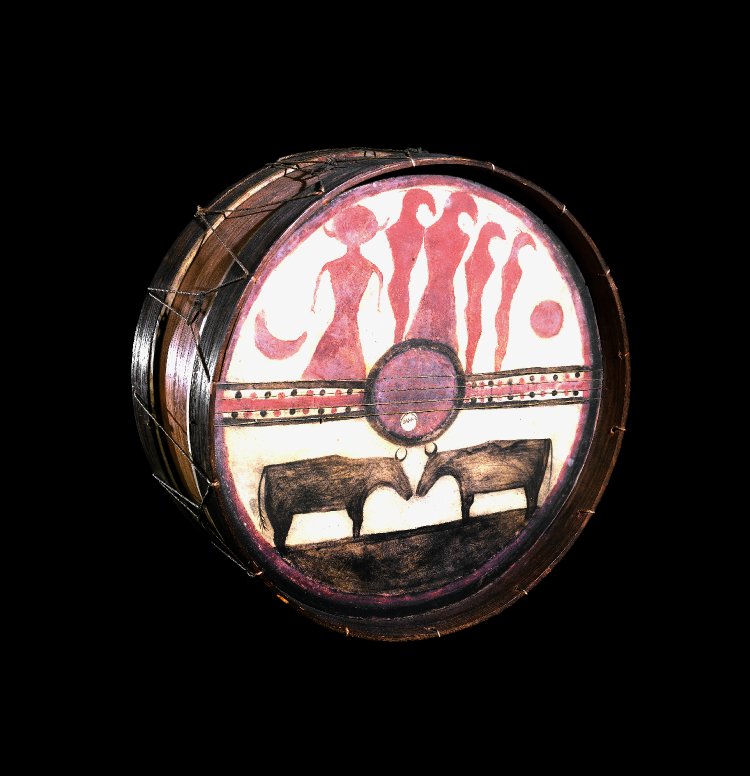
[/anno] at 12 that night, and at 2 and, alas, 3 o’clock as I could not sleep because of the heat and the mosquitoes.
There were about 14 present at the evening service, 8 being [anno]Indians{note}Du Vernet constantly refers to the Ojibwe peoples he encounters as “Indians” – his use of the word reflects the language and concepts of his day. Though the category of “Indian” was a legal designation in Canada because of the “Indian Act,” as a name for Indigenous people it originated in a profound error. As the story goes, when Christopher Columbus arrived in the Americas in 1492 he believed he had arrived in India – and therefore called the peoples he encountered Indians, ignoring their diverse languages, spiritual traditions, and forms of governance. Read more.
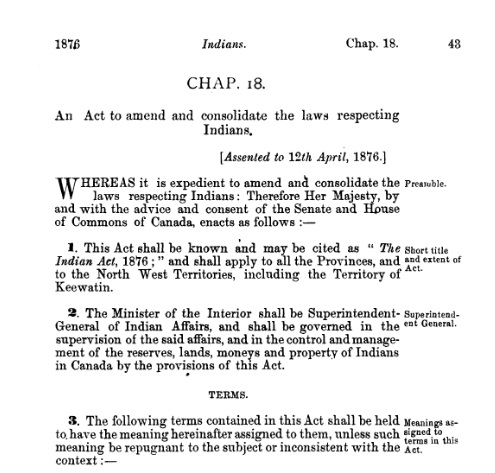
[/anno]. [anno]Thomas Bunyan{note} Thomas Bunyan was an Ojibwe Christian, whom Du Vernet says was the brother of Mawedopenais. Du Vernet wrote that Bunyan was “facing both ways” in reference to Bunyan’s practice of following both Christian and Ojibwe spiritual traditions. If any readers have more information about Thomas Bunyan, please let us know.Read more.[/anno], a [anno]baptized{note}Baptism is the ritual of entry into the Christian church. Within Anglicanism, a priest sprinkles water over the head of the person being baptized, and says specific prayers. In Anglicanism, infant baptism is widely practiced, but adult converts will also be baptized. Read more.
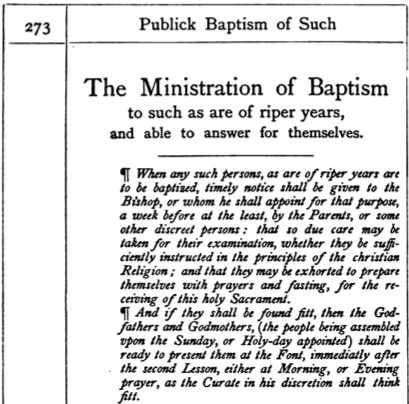
[/anno] [anno]Christian{note}When Du Vernet writes “Christian”, he usually means an Anglican, or a person who was baptized in the Church of England. Read more.[/anno], had let his house for “the big tent” (for the dance and gambling). Thomas is trying to face both ways, I am afraid. He is a brother of the [anno]old Chief{note}This “old Chief” was likely Mawedopenais, a signer of Treaty 3 whose words are still frequently quoted: “The Great Spirit planted us here…He has given us rules that we should follow to govern ourselves rightly.” [/anno].

As there were so few Indians present and some of those could understand English I read the last part of my sermon slowly: I preached on the [anno]Son of God who loved me so (Gal 2:20){note}
Du Vernet paraphrases the last part of Gal 2:20, which reads in the King James Bible:
“I am crucified with Christ: nevertheless I live; yet not I, but Christ liveth in me: and the life which I now live in the flesh I live by the faith of the Son of God, who loved me, and gave himself for me”. Read more.[/anno], with [anno]Mr. Johnston{note}Jeremiah Johnston was an ordained Anglican missionary of Swampy Cree background, and Du Vernet’s host on the Rainy River. Read more.

[/anno] translating. I did not quote sentence by sentence, knowing that Mr. Johnston could easily follow my simple remarks, so I gave a complete idea in a short paragraph.
The singing was very good.
[anno]“Onward Christian Soldiers”{note} A popular Christian hymn that blended military metaphors with the work of mission, Onward Christian Soldiers was written in the 1860s by Sabine Baring-Gould, an Anglican priest in England. The first stanza reads:
Onward Christian soldiers!
Marching as to war,
With the cross of Jesus
Going on before.
Christ, the royal Master,
Leads against the foe;
Forward into battle,
See, His banners go!
Continue reading…[/anno] seemed very stirring, and [anno]“Alas and did My Saviour bleed”{note}See image.[/anno] was very touching. By the time the service was drawing to a close we could scarcely see to read so we sang the [anno]doxology{note}In Christianity, a hymn or prayer in praise of God.[/anno] in [anno]Indian{note}By “Indian” here, Du Vernet meant the Ojibwe language, Anishinaabemowin. Read more.[/anno] and offered up the closing prayers and pronounced the [anno]benediction{note}A Christian prayer asking for God’s blessing, usually at the end of the service.[/anno], thus bringing to a close one of the most memorable days in my life.
[anno]Horace Theker{note}Horace Theker was an early settler to the Rainy River, arriving in 1882. Read more.[/anno]’s pathetic remark, spoken under the great affliction of a stoppage of speech, “You won’t forget me,” will long linger in my memory. He borrowed Mr. Johnston’s boat to go down the river three miles, from where he would walk a further three miles.
[July 17th, 1898]